|
|
|
Itinerary
gives you both Adventure & Relaxation:
Climb Kilimanjaro - Machame Route and
afterwards take in the history and
culture of Zanzibar whilst relaxing by
the Indian Ocean! |
|
|
|
|
This trip are
the home of large to small animals including
birds and reptiles, also there are luxury to
standard lodges, luxury to standard tented
camps and budget campsites. Inside and
outside the parks |
|
|
|
|
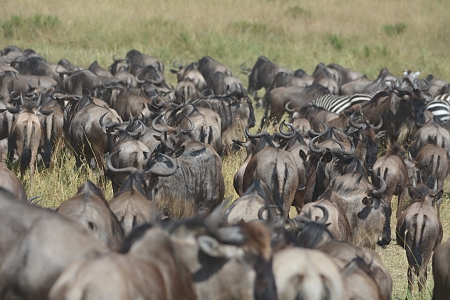
Visit the 'big five' areas of Tanzania
on this 4 night safari. The itinerary
starts with a Tarangire Park, and then
continues to Lake Manyara,
Serengeti and to be ends Ngorongoro
Crater. |
|
|
|
|
This great value budget
road safari takes you to Maasai Mara,
Kenya’s most famous and finest game
sanctuary. Your stay is in a lodge not
under tents unlike most budget offers.
The Mara offers wildlife in such variety
and abundance that it is difficult to
believe.... |
|
|
|
|
This tour combines Kenya’s twin
attractions- the safari and beach
experience. You begin at Aberdares where
you find icy rivers, spectacular
waterfalls and rain forests. Here
elephants, buffalos and other animals
visit you at the floodlit waterholes of
The Ark. |
|
|
|
An unforgettable holiday! - The very
best of Tanzania's wildlife parks combined with
a beach holiday in Zanzibar. Perfect for
Honeymooners. |
|
|
|
|
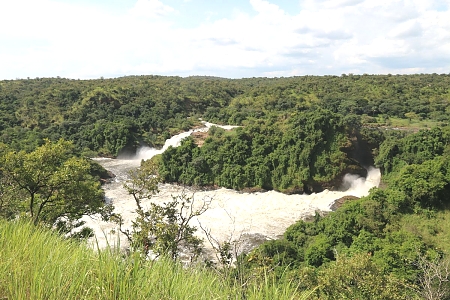
Uganda is
best know for its amazing Gorilla tracking
safaris. Additional activities include white
water rafting, birding and mountaneering
excusrions. |
|
|
|
|
A very
comprehensive one week safari of Kenya. The
safari starts from Nairobi, goes straight to
the
Lake Baringo,
then to Lake Nakuru and to be ends Masai
Mara |
|
|
|
|
This is the
perfect 14 day holiday for romantics -
combining a Tanzanian safari with time on
the beach in Zanzibar.... |
| |
|
Botswana Destinations
Botswana is a largely roadless country
full of savannahs, wetlands, deserts and
wide open spaces that cry out for
exploration. It’s one of the few places
in Africa where the wilderness areas
have remained completely unspoiled and
is an ideal destination for nature
lovers.
Kasane
Kasane is a remote and forgettable small
village, but it is an important
strategic location as the meeting point
for four countries: Botswana, Zambia,
Zimbabwe and Namibia. Kazungula, 6km to
the east of Kasane, is the border post
between Botswana and Zimbabwe, and the
Victoria Falls are only 80km away. The
nearby Kazungula ferry crosses the
Zambezi River between Botswana and
Zambia. The border with Namibia is 50km
away on the other side of the northern
tip of Chobe National Park.
Kasane lies on the banks of the Chobe
River and although there’s not much in
town, it is the location of Chobe
National Park’s northern gate. Kasane
offers a number of accommodation options
in lodges and campsites. From these
lodges, it’s possible to arrange a boat
trip on the Chobe River to see some of
Botswana’s substantial elephant herds
come down to the water to drink in the
late afternoon.
As there are no boundary fences between
the park and the village, elephant are
frequently seen wandering down the main
street and crocs climb out of the river
and bask on the lawns of the Kasane
campsites....
Maun
Maun was once a dusty little frontier
town where local people brought their
cattle to trade. Today it is Botswana’s
tourism capital and a great base for
wilderness safaris...
Maun was
once a dusty little frontier town where
local people brought their cattle to
trade. Today, thanks to the popularity
of the Okavango Delta and Moremi
Wildlife Reserve, it’s Botswana’s
tourism capital and the springboard for
safaris into the 15 000 sq km wilderness
area.
Although the modern city of Gaborone in
the extreme southeast is Botswana’s
capital, very few travellers pass
through that city en route to the
national parks. You are more likely to
arrive in Maun (for the delta) or Kasane
on the northern border with Zimbabwe
(for Chobe). Alternatively you can get
to Chobe from Maun via the Moremi
Wildlife Reserve, but this route is only
suitable for 4x4 vehicles. Maun is the
base-camp for a thriving tourism
industry that markets everything from
horseback safaris to mokoro tours in the
delta. There are countless safari and
air-charter operations whose signs and
offices line the dusty streets. Only a
few years ago it was little more than a
dirt-road rural village. The exceptional
growth of the tourism industry has
turned Maun from a sleepy backwater into
a boomtown.
The name Maun is derived from the San
word 'maung', meaning ‘the place of
short reeds’. The village began life in
1915 as the tribal capital of the
Batswana people, and its reputation
quickly grew as a rough and ready place
of local cattle ranchers and
professional hunters with a Wild West
atmosphere. In 1920, Harry Riley built
the first Riley’s Hotel, which was then
nothing more than a small bar catering
to the men who arrived from Francistown
- a gruelling 35-hour journey by horse
and cart. Today the hotel is still an
important landmark in Maun. With the
growth of the tourism industry and the
completion of the tar road from Nata in
the early 1990s, Maun developed rapidly
along the wide Thamalakane River into
Botswana’s third largest town. It’s lost
much of its old frontier town character
and is now home to over 30 000 people in
an eclectic mix of modern buildings and
native huts. There are shopping malls,
banks, restaurants, a few hotels and
some happening bars. Regular supplies of
almost everything can be bought in Maun
and the town services the various lodges
in the delta, sending provisions in by
truck or plane.
Maun has very few sights as such, and
it’s not the most attractive of places:
lots of concrete, very few trees, hot,
white and bright. Though it still
retains some of its rural atmosphere -
you might see local tribesmen bring
their cattle into town for sale, or the
odd red lechwe grazing next to the
donkeys, goats and cattle along the
riverbanks - the real reason to be in
Maun is to prepare for a trip into the
delta. |